Homeowners Insurance and Common Policy Types
Learn what homeowners insurance covers, how HO-2 and HO-3 treat your home and belongings, and when a dwelling policy may fit.
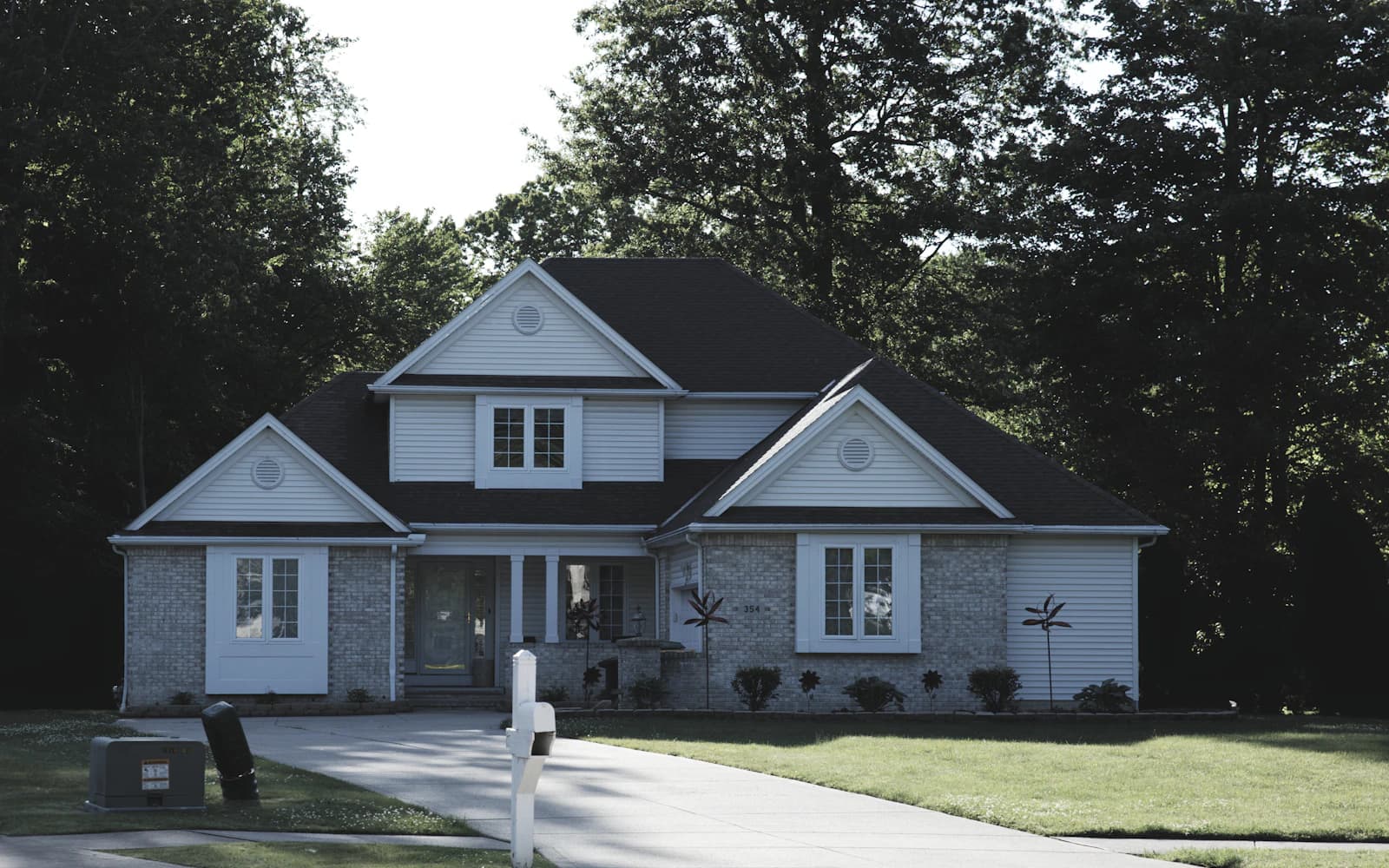
Two homeowners policies can list the same dollar limit for your house and cover different kinds of damage. The policy form, such as HO-2 or HO-3, tells you how coverage for your house and your belongings is set up. The policy’s exclusions, limits, deductibles, and endorsements fill in the details. National Association of Insurance Commissioners
What homeowners insurance typically covers
- Dwelling and other structures. Dwelling coverage applies to your house and attached structures, such as an attached garage. Other structures coverage can apply to a detached garage, shed, or fence.
- Personal property. This coverage helps pay for covered damage to or theft of belongings such as furniture, clothing, and electronics.
- Loss of use. If covered damage makes your home uninhabitable, this coverage can help pay extra living expenses, such as a temporary hotel stay.
- Personal liability and medical payments to others. Liability coverage can help if you’re legally responsible for someone else’s injury or property damage. Medical payments coverage can help with certain injuries to others, regardless of fault. NAIC home insurance overview
How HO-2, HO-3, and HO-5 differ
A peril is a cause of loss, such as fire or theft. A named-perils policy covers the causes it lists. Open-perils coverage generally applies to direct physical loss unless an exclusion or other policy provision limits coverage. Massachusetts Division of Insurance
- HO-2 (Broad Form). Typically covers the house and belongings for named perils.
- HO-3 (Special Form). Typically provides open-perils coverage for the house and named-perils coverage for belongings.
- HO-5 (Comprehensive Form). Typically provides open-perils coverage for both the house and belongings. Nebraska Department of Insurance
Other forms are designed for specific households. HO-4 covers renters, HO-6 covers condo unit owners, and HO-7 is designed for mobile or manufactured homes. Nebraska Department of Insurance
When a dwelling policy may fit
Dwelling policies, also called dwelling fire policies, are often used for rental or seasonal homes. DP-1 (Basic Form) covers a short list of named perils, typically including fire and lightning. DP-2 (Broad Form) adds more named perils, such as falling objects. DP-3 (Special Form) generally covers the building on an open-perils basis. Personal property, if insured, is typically covered for named perils. If you rent out the property, check whether the policy includes liability coverage and protection for lost rent after a covered loss. North Carolina Department of Insurance
When comparing quotes, check the dwelling limit against the estimated cost to rebuild. Then compare the deductibles, endorsements, and exclusions. Standard homeowners policies generally exclude flood and earthquake damage. Separate coverage may be available for each. NAIC home insurance overview
Cover photo by Ralph Florent on Unsplash